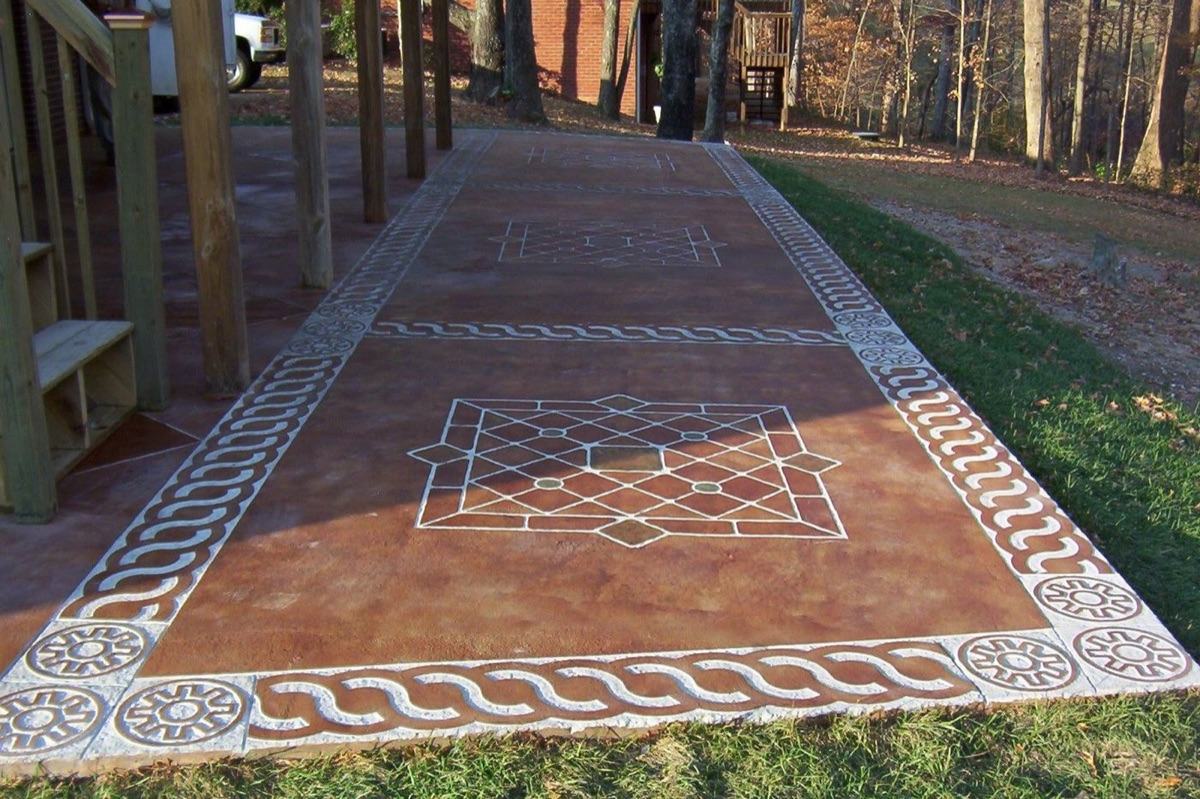
Paver sealing for Tampa driveways, patios and pool decks
Paver sealing is a clear coat over pavers that are already down: they are cleaned, the joints are refilled with sand, and a sealer goes on to lock the sand in and slow fading and stains. It is not new pavers or re-leveling, and the sealer is chosen for Tampa sun and summer storms.
- Local Tampa-area installers
- Free written quote
- Driveways, patios, pool decks
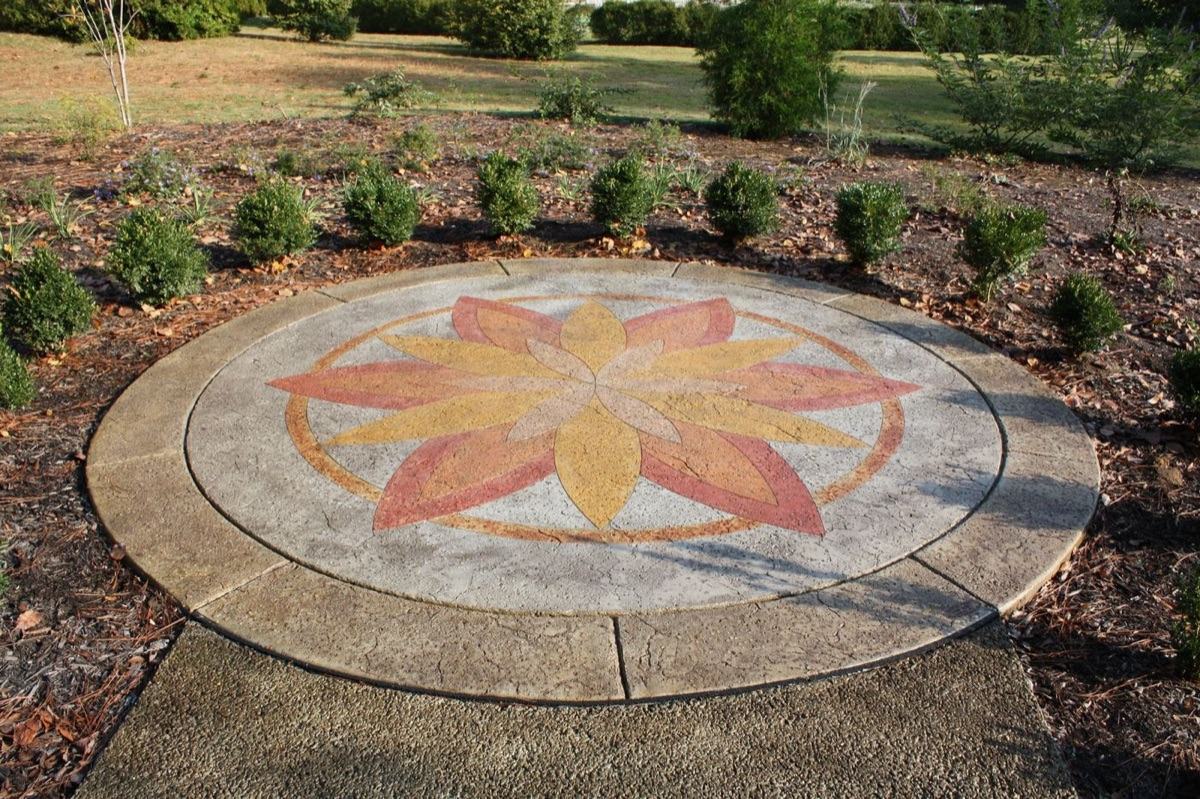
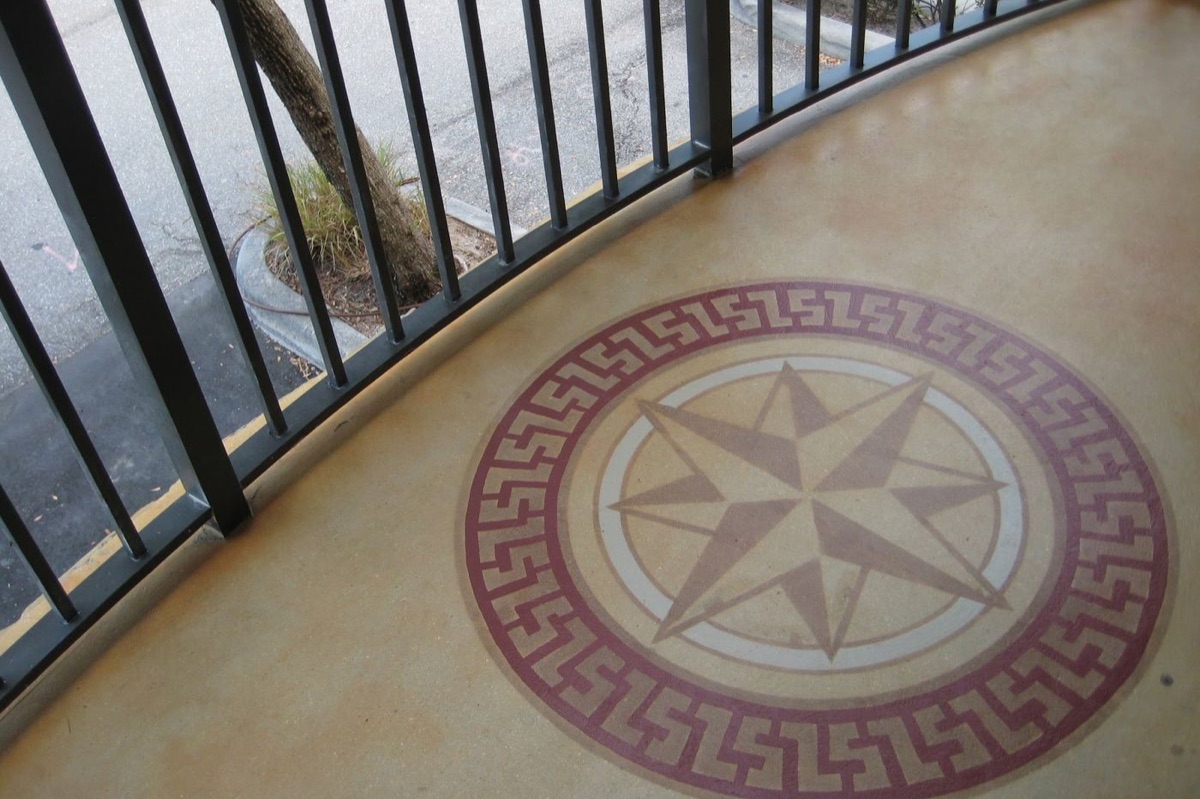
Example photos of sealed outdoor surfaces, shown for the look of a fresh sealer. Not photos of a specific past job.
What does paver sealing actually do?
It cleans the pavers, locks the joint sand in place and puts a protective coat on top that slows fading, stains and weeds; it does not fix pavers that have sunk or lifted.
Pavers are popular on Tampa driveways, pool decks and patios because each piece can flex a little and be lifted and reset. That same design is the weak spot: the sand between them washes out in heavy rain, ants carry it off, weeds root in the gaps and the surface fades in the sun. Sealing deals with all of that at once.
What sealing cannot do is move pavers. A section that has sunk, rolled at the edge or lifted over a root needs to be re-leveled before it is sealed, or the sealer simply locks in the problem. Someone checks for that before a price is given.
Joint sand
Sand between pavers keeps them tight. A joint-stabilizing sealer binds it, so storms, hoses and ants carry less of it away.
Color and fading
Clay and concrete pavers fade in strong sun. A sealer slows it, and a color-enhancing sealer brings back some of the depth.
Stains
Sealed pavers soak up less oil, rust and leaf stain, so spills clean off instead of sinking in.
Weeds and ants
Tighter, sealed joints leave less room for weeds to root and for ants to tunnel and pile sand on top.
Wet look or natural: which paver sealer is right?
It comes down to the look you want and how the area is used: wet-look sealers deepen color and add sheen, natural-look sealers leave the pavers as they are, and pool decks need grip either way.
Film-forming sealers sit on the surface and give the darker, glossy look many Tampa driveways have. Penetrating sealers soak in and leave little or no shine, which suits travertine and pool areas where a glossy surface would be slick underfoot.
Wet look
Deeper color and a soft gloss. Popular on driveways and front walks. Can be slick when wet, so it is not the first choice around a pool.
Natural look
Soaks in with little change in color or shine. A common pick for travertine and pool decks.
Pool decks and salt pools
Splash and salt dry on the surface. The sealer is chosen for grip and for pool water, and an occasional fresh-water rinse helps it last.
When should Tampa pavers be sealed?
On a dry stretch, once any white haze on new pavers has cleared, and again every few years as the sealer wears; sun and traffic set the timing.
Pavers have to be clean and dry before sealer goes on, or moisture gets trapped and turns the surface cloudy. In Tampa that means planning around the afternoon storms in summer, or doing the work in the drier months. New pavers often show a white haze called efflorescence in their first months; it is cleaned off before sealing so it is not locked under the coat.
Dry weather
The pavers and the sand need to dry out before sealing, so summer jobs are scheduled around the rain.
New pavers
Efflorescence is cleaned off first. Sealing too early can trap it.
Resealing
Sealer wears with sun and traffic. When water stops beading and the color looks flat again, it is time.
What does paver sealing cost in Tampa?
It is priced after someone sees the pavers, because the area, how dirty they are, the joint sand they need and the sealer you choose move the number more than anything else.
A clean, newer driveway that only needs a fresh coat is a different job from an older pool deck with mildew, rust stains and joints that have washed out. You get a written price before anything is booked.
Area
Square footage of the driveway, walkway, patio or pool deck.
Cleaning
Mildew, rust from sprinkler water, oil and old sealer that is peeling or cloudy.
Joint sand
How much sand has washed out, and whether a stabilizing sand or sealer is used.
Sealer
Wet look or natural look, and a sealer suited to pool water where it is needed.
The finishes, under the lights
Keep scrolling to walk the floor. Your installer brings physical samples to the quote.
How do pavers get sealed?
Free visit and written quote
Someone looks at the pavers, checks for sunken or loose sections, measures the area and talks through wet-look and natural finishes. You get a written price before anything is booked.
Clean
The pavers are pressure cleaned with a surface cleaner, and mildew, rust and old failing sealer are treated or removed.
Re-sand the joints
Washed-out joints are refilled with sand, swept in and compacted so the pavers lock tight.
Dry out
The pavers and the sand need to dry before sealing, so the schedule follows the weather.
Seal
The sealer goes on in even coats, edge to edge, including borders and steps.
Walkthrough
You get care instructions and a clear time for foot traffic and, on a driveway, for cars.
Floors that stop people at the door
How a floor gets done
Three stages, and you know the price before any of them start.
What moves the price
Two garages the same size can quote differently. These are the reasons.
Questions people ask before booking
Questions about paver sealing
How much does paver sealing cost in Tampa?
It depends on the area, how much cleaning the pavers need, how many joints have washed out and the sealer you choose. A pool deck with mildew and rust stains takes longer than a newer driveway that only needs a fresh coat. Someone looks first, and the written quote is free.
How often should pavers be resealed in Florida?
Every few years is typical, but sun and traffic set the real schedule. A driveway in full afternoon sun wears its sealer faster than a shaded patio. When water stops beading on the surface, the joints start losing sand or the color looks flat again, it is time to clean and reseal.
Will sealing make my pavers slippery?
A wet-look sealer adds sheen and can be slick when wet, which is why pool decks and steps usually get a natural-look sealer or a grip additive. Ask about it when you choose the finish, especially for areas where people walk barefoot or where sprinklers keep the surface damp.
Do you fix sunken or loose pavers?
Sealing is a coat over pavers that are already set. Sections that have sunk, lifted or rolled at the edge need to be re-leveled before they are sealed, or the sealer locks the problem in. Point them out when you ask for a quote, so the plan covers them before any sealer goes down.
Can you seal travertine around a pool?
Yes. Travertine is usually sealed with a penetrating sealer that soaks into the stone without leaving a glossy film, so the surface keeps its grip underfoot. The stone is cleaned first, and loose or cracked pieces are noted before sealing. With a salt pool, rinse the deck with fresh water now and then afterward.
Related pages
Bayshore Epoxy Floors works across Hillsborough County. Back to the main site.